Using Drills in Upper Elementary


Upper Elementary students are getting ready to help out around the house as they begin using power tools. Using a cordless drill, students determined which drill bit to use to drill a pilot hole,  then switched bits to drive a screw into a piece of wood. 

Posted in practical life, Upper Elementary

Photosynthesis


Lower Elementary used movement, signs, and their bodies to study photosynthesis, the process plants use to create their own carbohydrates as food. Students stood on a green mat representing chloroplast which absorbs the sun and held signs representing the sun and other molecules. By making carbohydrates, plants break down molecules and releases the “leftover” oxygen which benefits animals around them. Movement and acting out scientific processes help ingrain knowledge, in this case why plants need water, carbon dioxide and energy from the sun to create a carbohydrate. 

Posted in Lower Elementary, science

Transfer Activities

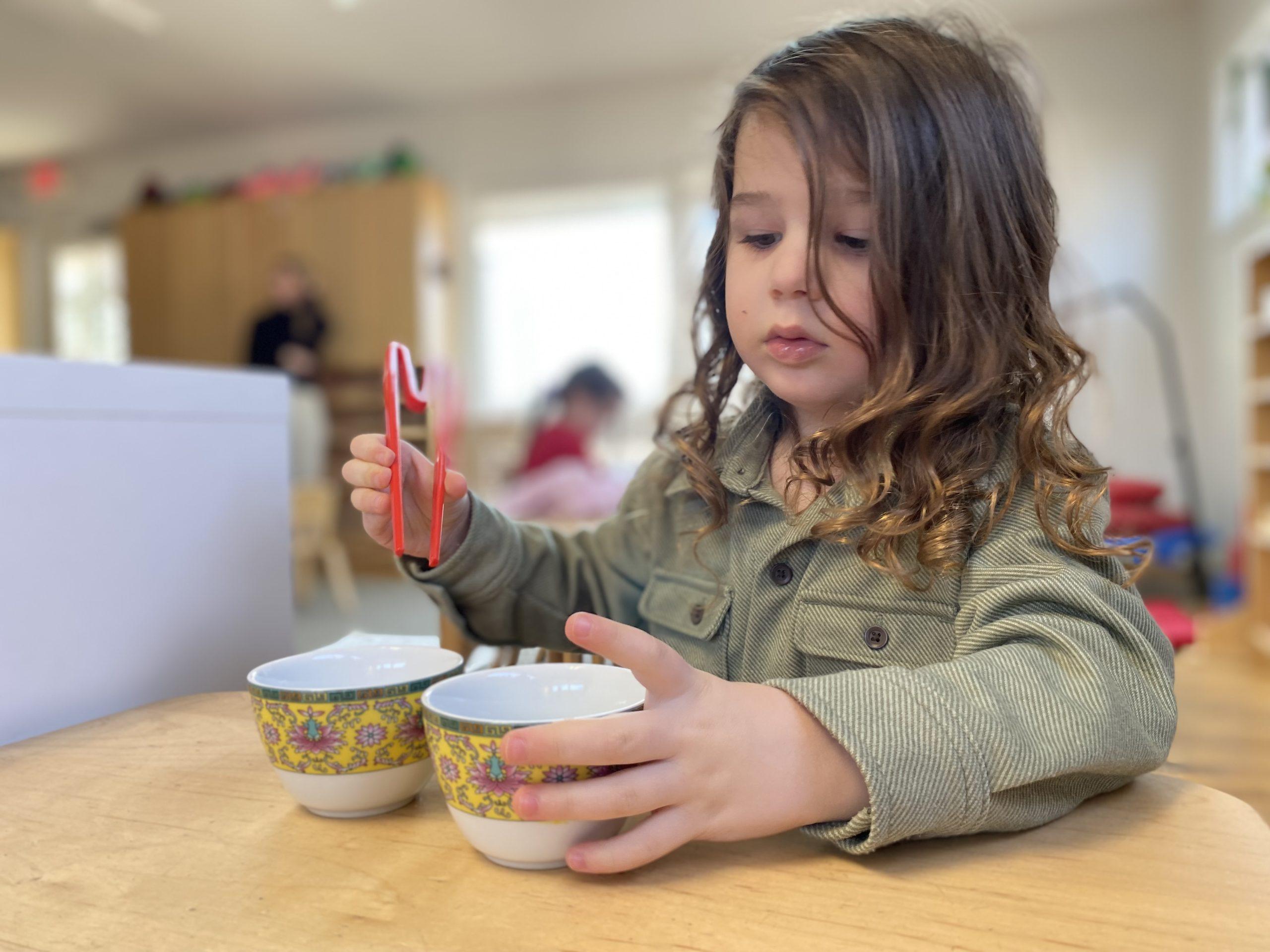
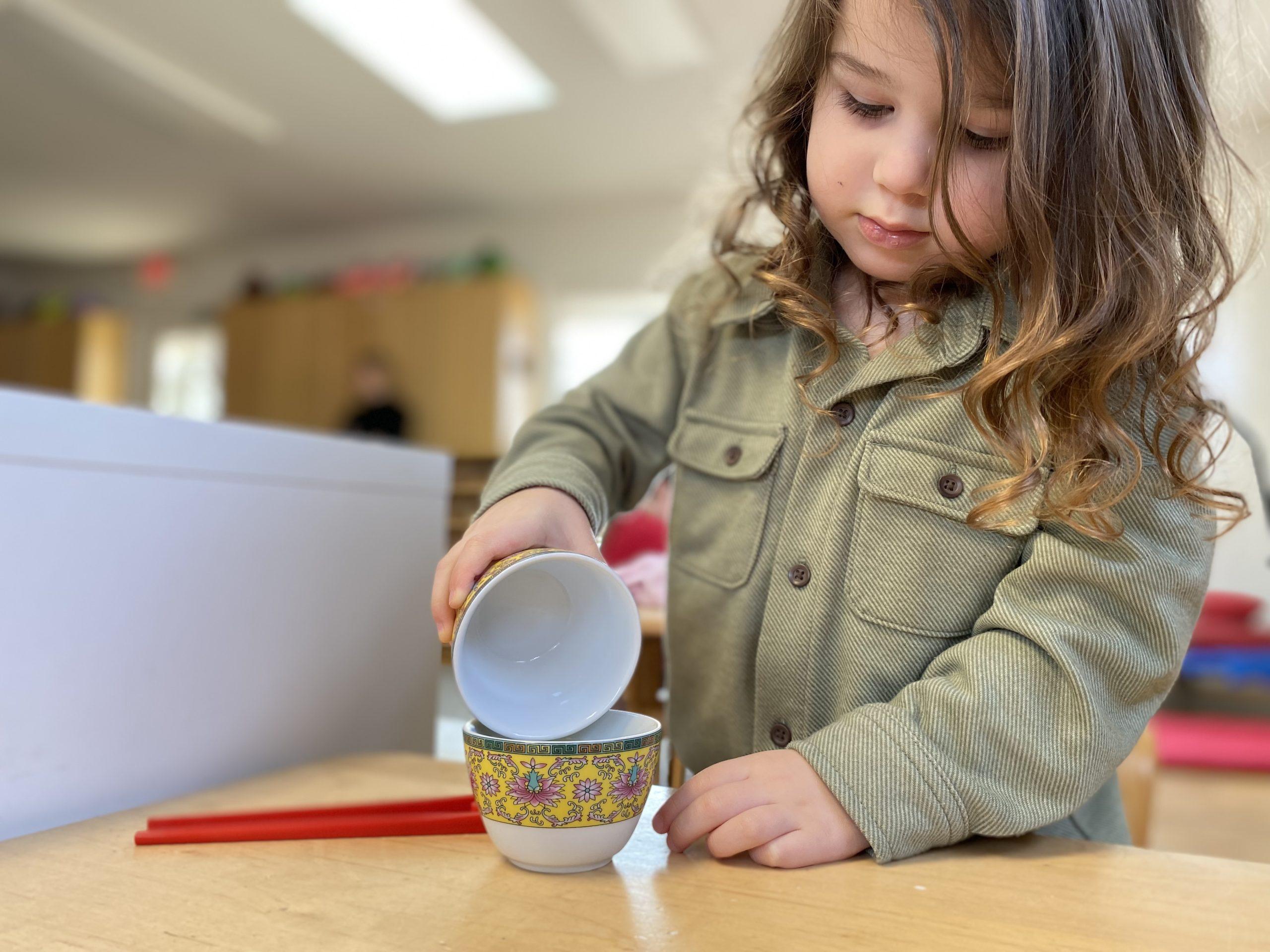
Montessori transfer activities develop fine motor skills, hand-eye coordination, concentration, and independence in the Primary classroom. Materials used include liquids, dry items such as beans, and transfers that require a tool like the tongs above. In this work, tongs are used to transfer beautiful glass leaves from one container to the next. We can observe the utter focus of this student who has the freedom and time to pass the glass leaves back and forth as often as they would like.

Posted in Primary, sensorial

Cosmic Question


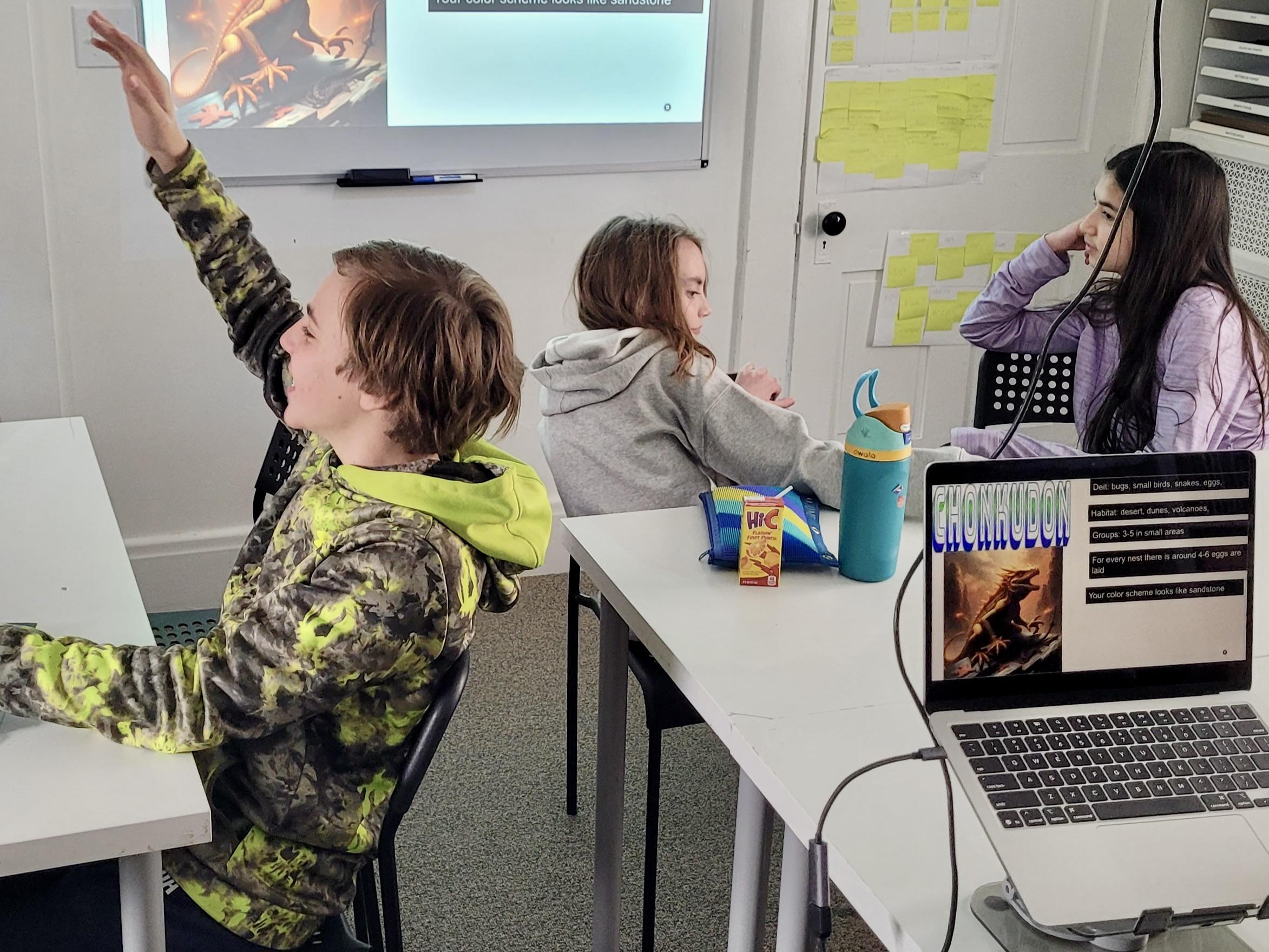
Middle School students offered argumentative summaries, presentations, and various discussions on bringing back extinct animals last week. They explored possibilities and any unforeseen complications based on recent scientific research using various reading passages and resources. In this presentation, a few students took a playful approach to the idea of designing the return of a couple of prehistoric dinosaurs with some alterations, while considering a possible foreseen habitat, food sources, and survival rate. This exercise could be considered a “cosmic question.” In the Montessori philosophy, a “cosmic question” is an existential question meant to spark wonder and curiosity.

Posted in Middle School, peace, science

School Closed, 1/27

McGuffey will be closed January 27.

Posted in Uncategorized

Lungs


Using a cup, straws, balloons and tape, Middle School students created lungs. The cup represents the chest cavity and tape which seals around the straw is the nose and mouth. Inside the cup, the straws replicate the bronchi and trachea. Lungs are placed at the bottom in the form of balloons. The bottom of the cup is covered with a large balloon to stand in place of the diaphragm. When pulled, the lungs inflate!

Posted in Middle School, science

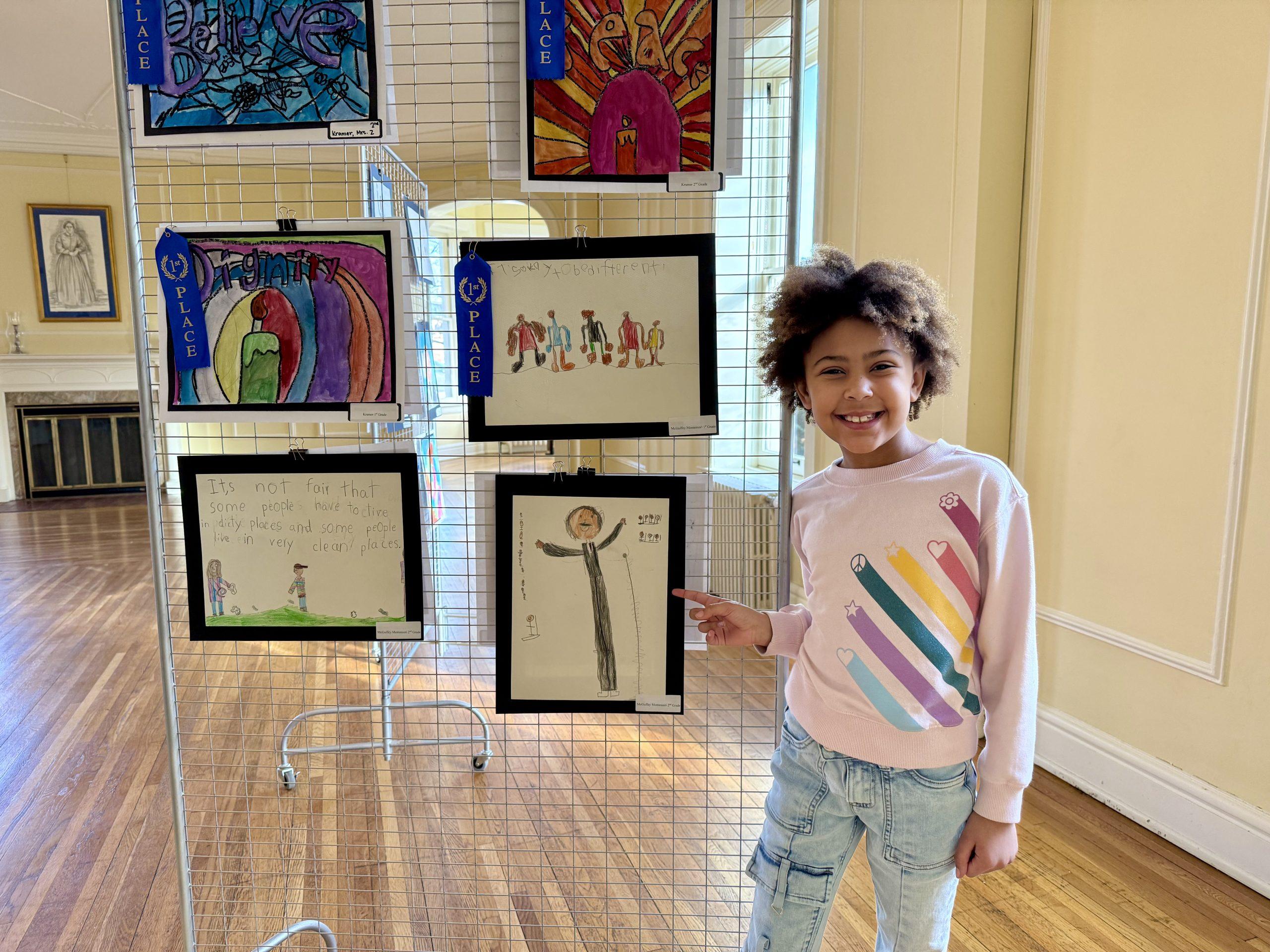
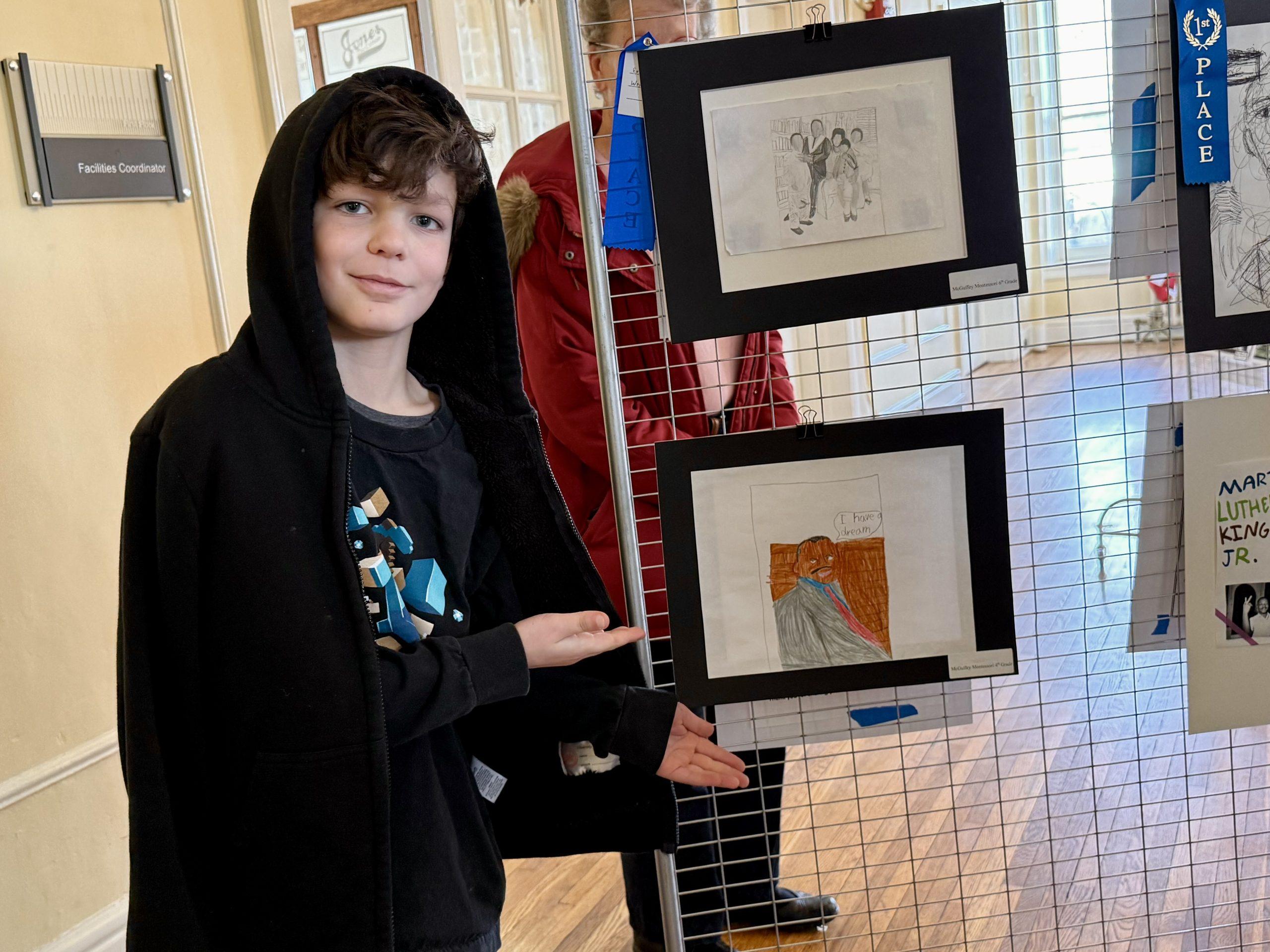
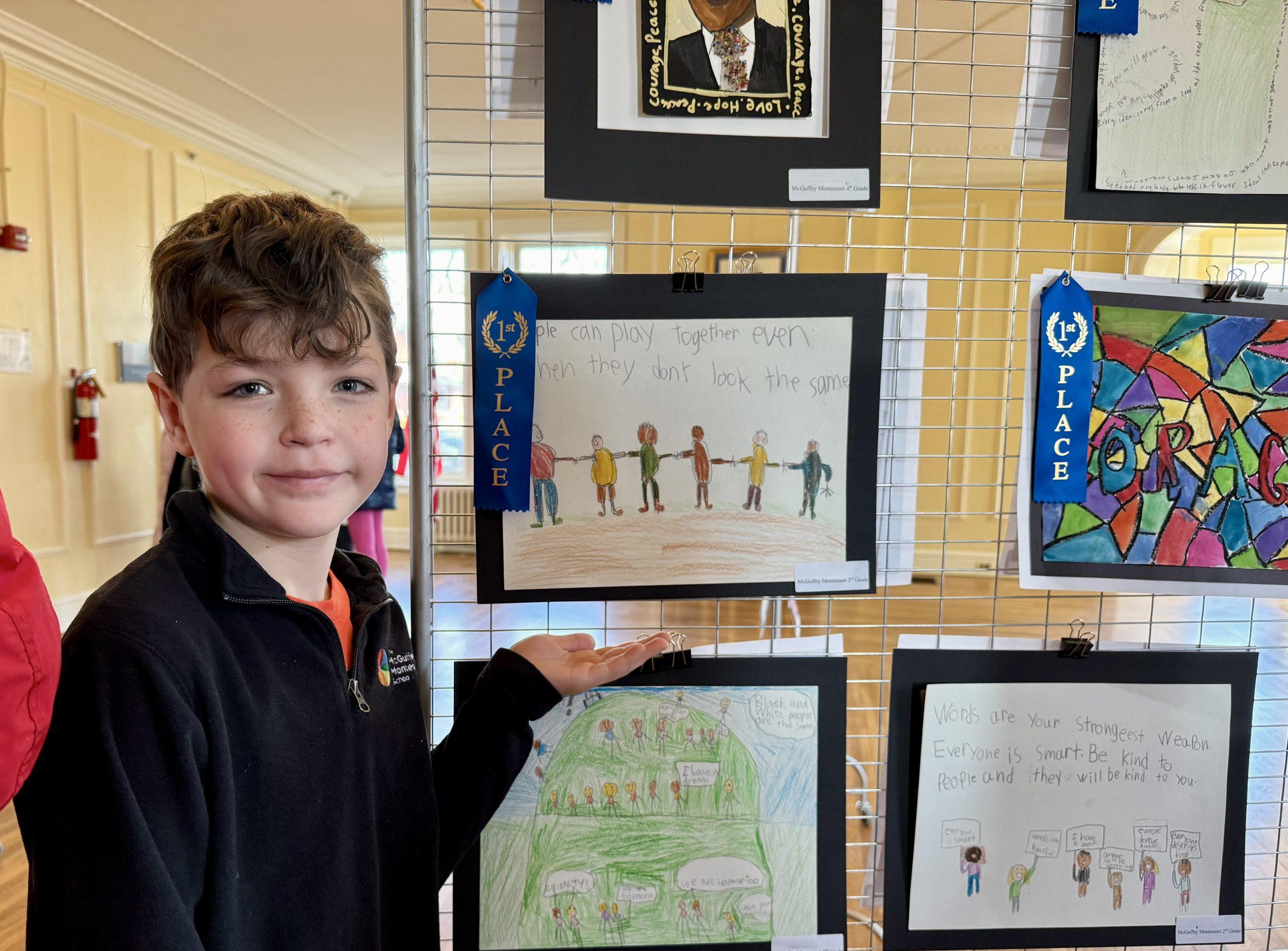
Celebrating Dr. King


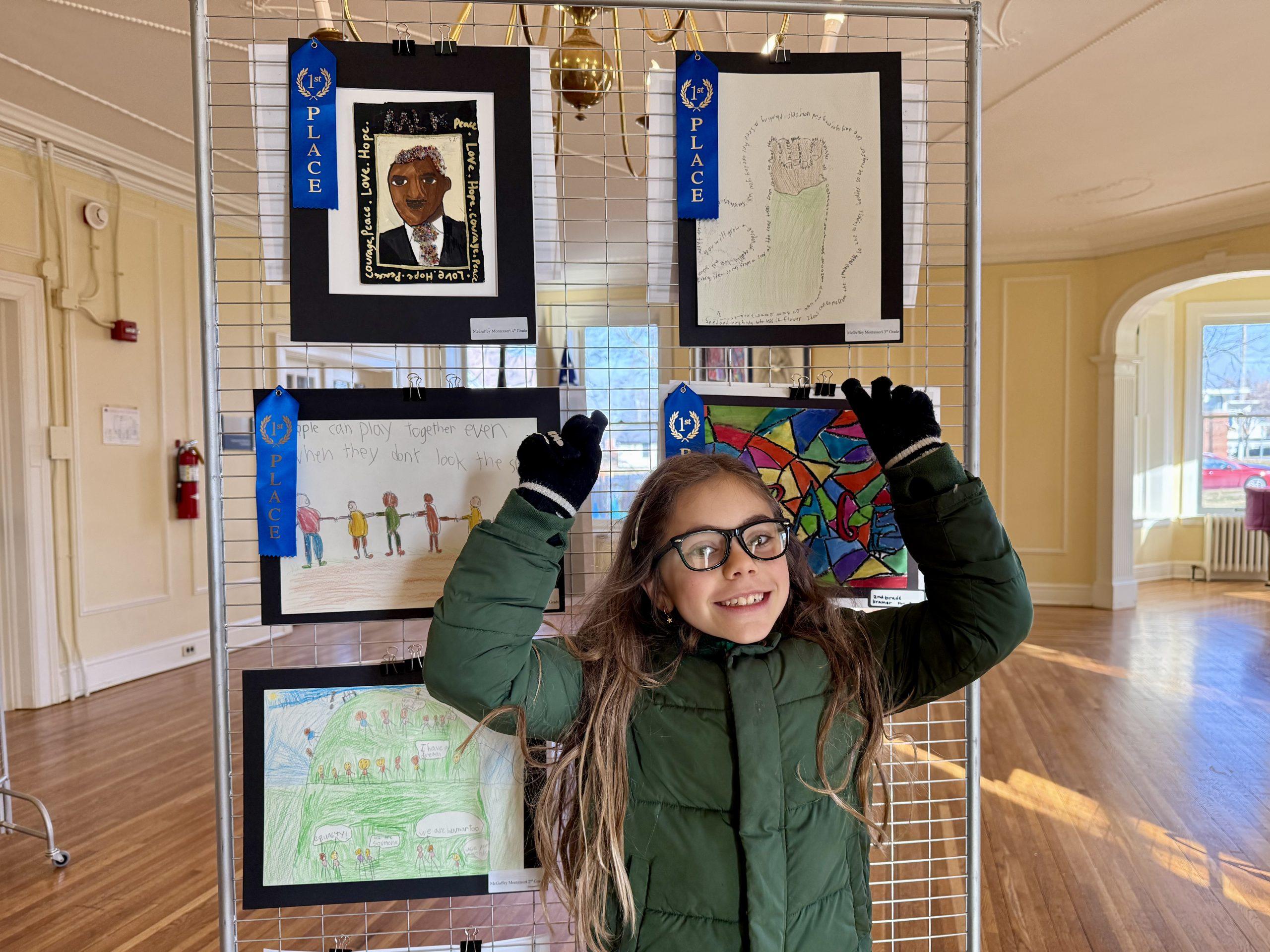
The Oxford NAACP hosted its annual MLK Jr. Community Celebration and Creative Arts Exposition at the Oxford Community Arts Center. We are grateful to the NAACP for the extraordinary opportunity for our students to know they are a part of the celebration of Dr. King. Thank you to McGuffey staff for fostering student participation and for the families who could come see all of the wonderful art. 

Posted in Lower Elementary, Middle School, peace, social studies, Upper Elementary

Bones In Primary


Primary students are studying the human body, turning their attention to bones. Works on the shelf include a life-size skeleton puzzle, a layered human body puzzle, and animal bones. Kindergarteners are digging deeper, literally! They are dissecting owl pellets, the compact mass of indigestible materials that owl’s regurgitate. Owl pellets contain fur, feathers, teeth, and bones of smaller animals. Kindergarteners match the contents of the pellet to a control chart to identify what they discovered in the owl pellet. Note that bones found in nature should always cleaned and sterilized before handling. 

Posted in Primary, science

Reading Partners In Lower Elementary


The Reading Partners program in Lower Elementary is in full swing. Reading aloud to a friend not only brings comfort, it can also build fluency and confidence. Sharing a book with another student improves critical thinking for both students as they process and discuss text together, analyzing its meaning. Besides academic growth and social-emotional time, it’s downright cozy on a winter day. 

Posted in language arts, Lower Elementary

Primary Smelling Bottles


The Smelling Bottles isolate and refine the sense of smell through matching pairs of distinct scents (like cinnamon, citrus, and mint) using identical containers. As Primary students compare and match scents, they build vocabulary, memory, and connect  to their environment in a new way. These hands-on materials help develop sensory discrimination, moving from simple matching to associating smells with pictures or daily life, fostering a deeper understanding of the world.

Posted in Primary, sensorial